Cleaning a small flat does not take long. What takes long is cleaning things that do not need cleaning, and doing tasks in an order that undoes earlier work.
This is a 60-minute weekly plan for a flat under 60 m², with the honest frequency for each task and the order that avoids duplication.
The frequency table
The most useful thing in cleaning is knowing what actually needs doing how often. Most people either over-clean some things or under-clean others.
| Task | Frequency | Time |
|---|---|---|
| Surfaces wiped (kitchen, bathroom) | Daily, 5 min | 5 min |
| Dishes | Daily | 10 min |
| Floor swept / vacuumed | 2–3× weekly | 10 min |
| Bathroom cleaned | Weekly | 15 min |
| Kitchen deep (hob, sink, bin) | Weekly | 15 min |
| Dusting | Weekly or fortnightly | 10 min |
| Floor mopped | Weekly | 10 min |
| Bedding changed | Weekly or fortnightly | 10 min |
| Oven cleaned | Monthly | 30 min |
| Fridge cleaned out | Monthly | 20 min |
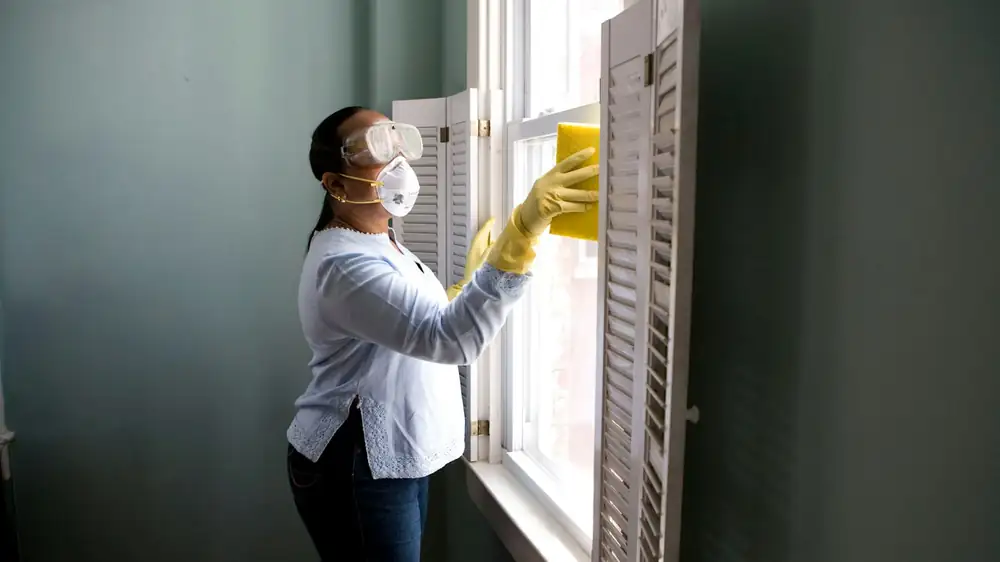
| Windows | Monthly or quarterly | 20 min |
| Behind furniture | Quarterly | 30 min |
| Curtains washed | Twice a year | — |
| Mattress turned | Twice a year | — |
The insight in this table: the weekly total for the essential items is about 60 minutes. Everything below that line is occasional, and treating it as weekly work is what makes cleaning feel unmanageable.
The 60-minute weekly order
The order matters, because some tasks create mess that others clean up.
Minutes 0–5: clear surfaces first
Before cleaning anything, clear the surfaces. Wiping a cluttered surface takes three times as long and never looks clean.
This is also why the twenty-minute daily reset matters — if most surfaces are already clear, the weekly clean is much faster.
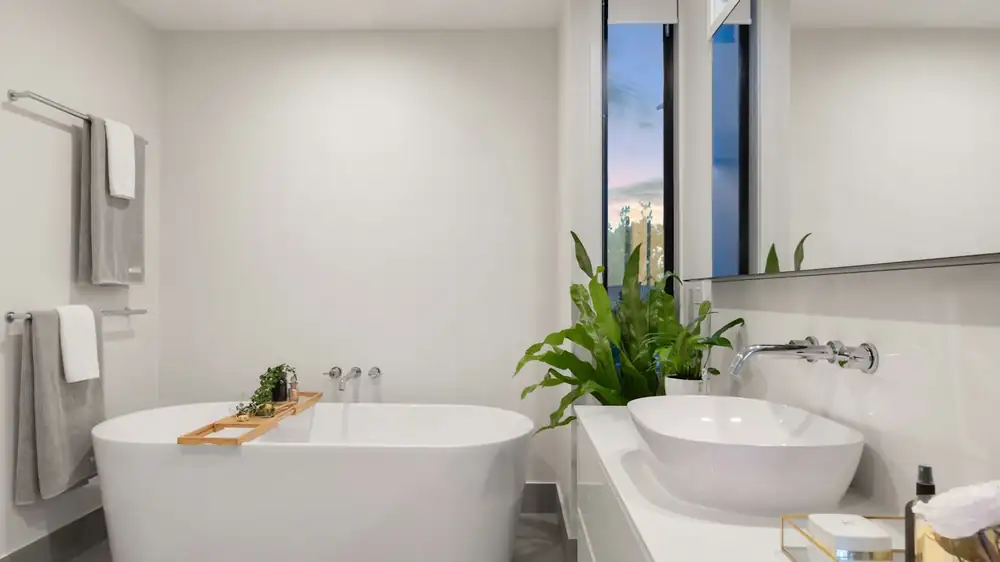
Minutes 5–20: bathroom
Do the bathroom first, because it involves the strongest products and the longest dwell times.
The efficient sequence:
- Spray the shower and bath with cleaner, leave to dwell
- Spray the toilet bowl, leave to dwell
- Clean the basin while the others dwell
- Return to the shower, scrub, rinse
- Return to the toilet, brush, flush
- Wipe the mirror and surfaces last (so they are not splashed again)
The dwell time is the trick. Spraying everything first and cleaning in a loop means the product does the work while you are doing something else.
What to use: a bathroom cleaner with limescale removal for the shower, bleach gel for grout and toilet, glass cleaner for mirrors. Three products is enough.
Minutes 20–35: kitchen
The kitchen takes the longest because it has the most surfaces and the most grease.
Sequence:
- Spray the hob and extractor, leave to dwell
- Clear and wipe the counters
- Clean the sink (including the drain and the tap base)
- Return to the hob, scrub, wipe
- Empty the bin, wipe inside the bin
- Wipe cupboard fronts (fingerprints accumulate here)
The two most-skipped tasks: the tap base and the bin. Both accumulate grime invisibly because they are not at eye level during normal use.
The hob test: run a finger along the edge of the hob trim. If it comes away grey, that edge has not been cleaned recently.
Minutes 35–45: floors
Vacuum or sweep first, then mop. Never mop before removing loose debris — you will just move it around.
On a small flat: a cordless vacuum takes about 5 minutes for 40 m² of floor. Mopping takes about 5–10 minutes depending on the floor type.
The corner detail: vacuum along the edges first, where debris collects, then do the open areas. Doing it the other way pushes debris into the corners.
Minutes 45–55: dusting
Dust top-down. Dust falls, so doing shelves after floors means re-doing the floors.
The damp cloth method: a slightly damp microfibre cloth picks up dust rather than moving it into the air. A dry cloth mostly relocates dust from one surface to another.
The high-reward surfaces: tops of door frames, tops of picture frames, the top of the fridge, and the tops of any tall furniture. These are what make a room feel "not quite clean" without you being able to say why.
Minutes 55–60: reset
Put the cleaning products away, wipe the sink, take out the rubbish, open a window.
The final check: stand in the doorway of each room and look for anything that does not belong. Thirty seconds per room.
What to skip weekly
Some tasks are commonly done weekly and do not need to be:
| Task | Common frequency | Actually needed |
|---|---|---|
| Changing bedding | Weekly | Fortnightly is fine for most adults |
| Mopping floors | Weekly | Weekly for kitchens and bathrooms; fortnightly for other rooms |
| Cleaning windows | Weekly | Monthly at most, quarterly is usually enough |
| Dusting every surface | Weekly | Weekly for visible surfaces, less for the rest |
| Oven cleaning | Weekly | Monthly, or when visibly soiled |
| Moving furniture to clean under | Weekly | Quarterly |
Skipping these frees about 30 minutes a week, which is the difference between the plan being sustainable and being abandoned.
The products that are actually needed
The cleaning industry sells dozens of products. A flat needs six.
| Product | Used for | Cost |
|---|---|---|
| All-purpose cleaner | Counters, cupboard fronts, most surfaces | $5 |
| Bathroom / limescale cleaner | Shower, bath, taps, toilet | $5 |
| Bleach gel | Grout, toilet bowl, mould | $4 |
| Glass cleaner | Mirrors, windows | $4 |
| Washing-up liquid | Dishes, and as a mild degreaser | $3 |
| Microfibre cloths (4–6) | Everything | $10 |
Total: about $31, and it covers every task in this guide.
What is not needed: separate products for floors, worktops, stainless steel, wood, and glass. All-purpose cleaner plus water covers most of these, and the specialist products mostly duplicate each other.
The monthly and quarterly tasks
These matter but are not weekly work. Put them in a calendar reminder rather than trying to remember.
Monthly:
- Oven interior (30 min, or use a dwell-and-wipe method)
- Fridge: remove everything, wipe shelves, check dates
- Windows inside
- Vacuum under the bed and sofa
Quarterly:
- Move small furniture and clean behind
- Wash cushion covers and throws
- Clean the extractor filter properly (or replace)
- Descale the kettle and shower head
Twice a year:
- Wash curtains
- Turn or rotate the mattress
- Clean inside kitchen cupboards
- Wash the duvet or pillows
Why small flats are actually easier
A 40 m² flat has roughly half the floor area of an 80 m² flat, and considerably less than half the surfaces, because it has fewer rooms and fewer pieces of furniture.
The whole cleaning routine scales with surface area, not with the number of people. A single person in a 40 m² flat has about 60 minutes of weekly work; the same person in a 90 m² flat has about two hours.
The catch: a small flat shows mess faster. There is nowhere for a pile to be out of sight, so a missed week is more visible. That is an argument for the weekly routine being genuinely short and genuinely done, rather than ambitious and skipped.
The honest summary
Sixty minutes a week, in the right order, keeps a small flat clean. The order matters more than the effort — dwell times, top-down dusting, and clearing before wiping eliminate most of the duplicated work.
The failure mode is not laziness. It is trying to do everything weekly, which makes the list long enough that it gets postponed. Cut the list to what actually needs weekly attention, and the routine becomes something you will actually do.